
Developing the Renewable Fuels That Will Power a Net-Zero Future

Phelan eFuels develops large-scale renewable fuel projects that help decarbonise hard-to-abate industries by producing synthetic fuels derived from renewable energy, green hydrogen, and captured biogenic carbon dioxide.
Why eFuels for a Greener Future?

Seamless Transition
Phelan’s eFuels are designed for use within existing engines, fuel infrastructure and distribution networks. Industries can transition to renewable fuels without replacing the systems and infrastructure they rely on today.

Cost Leadership
By developing projects in regions with abundant, low-cost renewable energy, Phelan eFuels aims to produce renewable fuels at the scale and cost needed for widespread commercial adoption.

Global Scalability
Phelan eFuels develops world-scale projects in regions selected for their renewable energy potential, strategic location and access to international markets. This approach creates a repeatable model for producing and supplying renewable fuels worldwide.

Lower Emissions
Produced using renewable energy, green hydrogen and captured biogenic carbon dioxide, Phelan’s eFuels can reduce lifecycle emissions by 95%, compared to conventional fossil fuels.

Energy Security
Producing eFuels from locally available renewable resources reduces dependence on volatile fossil fuel markets and vulnerable global supply chains. It gives countries greater control over how and where their fuels are produced.

Circular Carbon
Phelan’s eFuels run on recycled carbon. We capture biogenic CO₂ and use it as feedstock — no new fossil carbon extracted from the ground.
eSAF: Powering the Future of Aviation
Why eSAF?
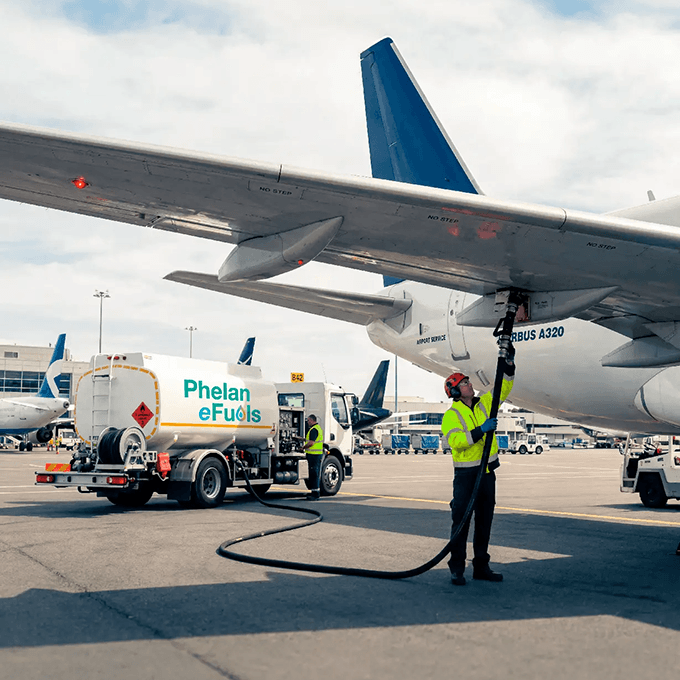
Drop-in Compatibility
No aircraft or airport infrastructure modifications required.
eSAF integrates seamlessly with existing aircraft, engines, fuel systems and airport infrastructure, enabling immediate adoption without costly upgrades.
Up to 95% Lower Lifecycle CO₂ Emissions
Supports the decarbonisation of commercial aviation.
Produced using renewable electricity, green hydrogen and captured carbon, eSAF has the potential to reduce lifecycle CO₂ emissions by up to 95% compared to conventional jet fuel.
Renewable Carbon Feedstocks
Produced using captured carbon from renewable biomass.
Phelan eFuels utilises captured carbon derived from invasive tree species, transforming an environmental challenge into a valuable renewable feedstock while supporting ecosystem restoration.
Certified for Global Aviation
Designed to meet international aviation fuel standards and regulatory mandates.
eSAF is certified for use in commercial aviation and supports airlines in meeting growing Sustainable Aviation Fuel blending mandates and decarbonisation targets across global markets.
SUSTAINABLE AVIATION FUEL IS RAPIDLY MOVING FROM ASPIRATION TO OBLIGATION
Blending Mandates
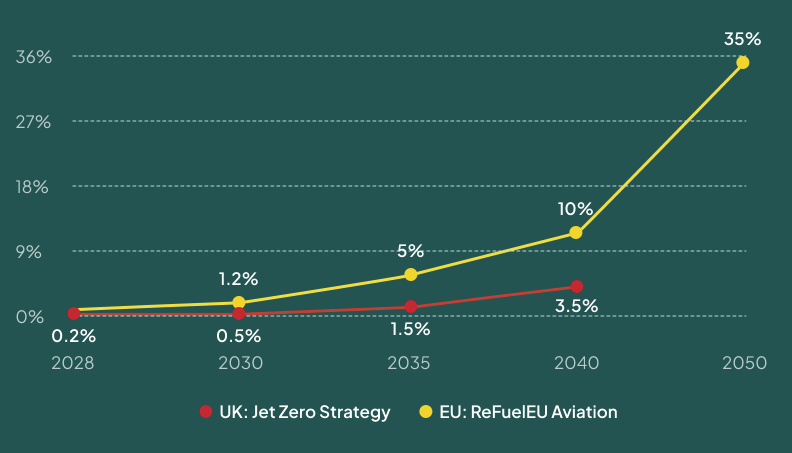
2028

United Kingdom
Jet Zero Strategy
eSAF Mandated Inclusion
26,445 t
33 M Litres
eSAF Mandated Volumes
2030
United Kingdom
Jet Zero Strategy
eSAF Mandated Inclusion
68,388 t
85 M Litres
eSAF Mandated Volumes

European Union
ReFuelEU Aviation
eSAF Mandated Inclusion
366,800 t
458.5 M Litres
eSAF Mandated Volumes
2035
United Kingdom
Jet Zero Strategy
eSAF Mandated Inclusion
217,095 t
271 M Litres
eSAF Mandated Volumes
European Union
ReFuelEU Aviation
eSAF Mandated Inclusion
2,500,000 t
3 B Litres
eSAF Mandated Volumes
2040
United Kingdom
Jet Zero Strategy
eSAF Mandated Inclusion
591,387 t
739 M Litres
eSAF Mandated Volumes
European Union
ReFuelEU Aviation
eSAF Mandated Inclusion
4,900,000 t
6 B Litres
eSAF Mandated Volumes
2050
European Union
ReFuelEU Aviation
eSAF inclusion
17,160,000 t
21 B Litres
eSAF Mandated Volumes
Our Flagship Project
Phelan eFuels Project: Saldanha Bay
Saldanha, South Africa
140 kta
2.9 B
6,000 ha
73 ha
2.5 GW
The project also includes a dedicated Net Zero Academy and Sports & Athletics Park, creating opportunities for skills development, education and long-term community investment alongside world-class clean energy infrastructure.
Technology Partners:



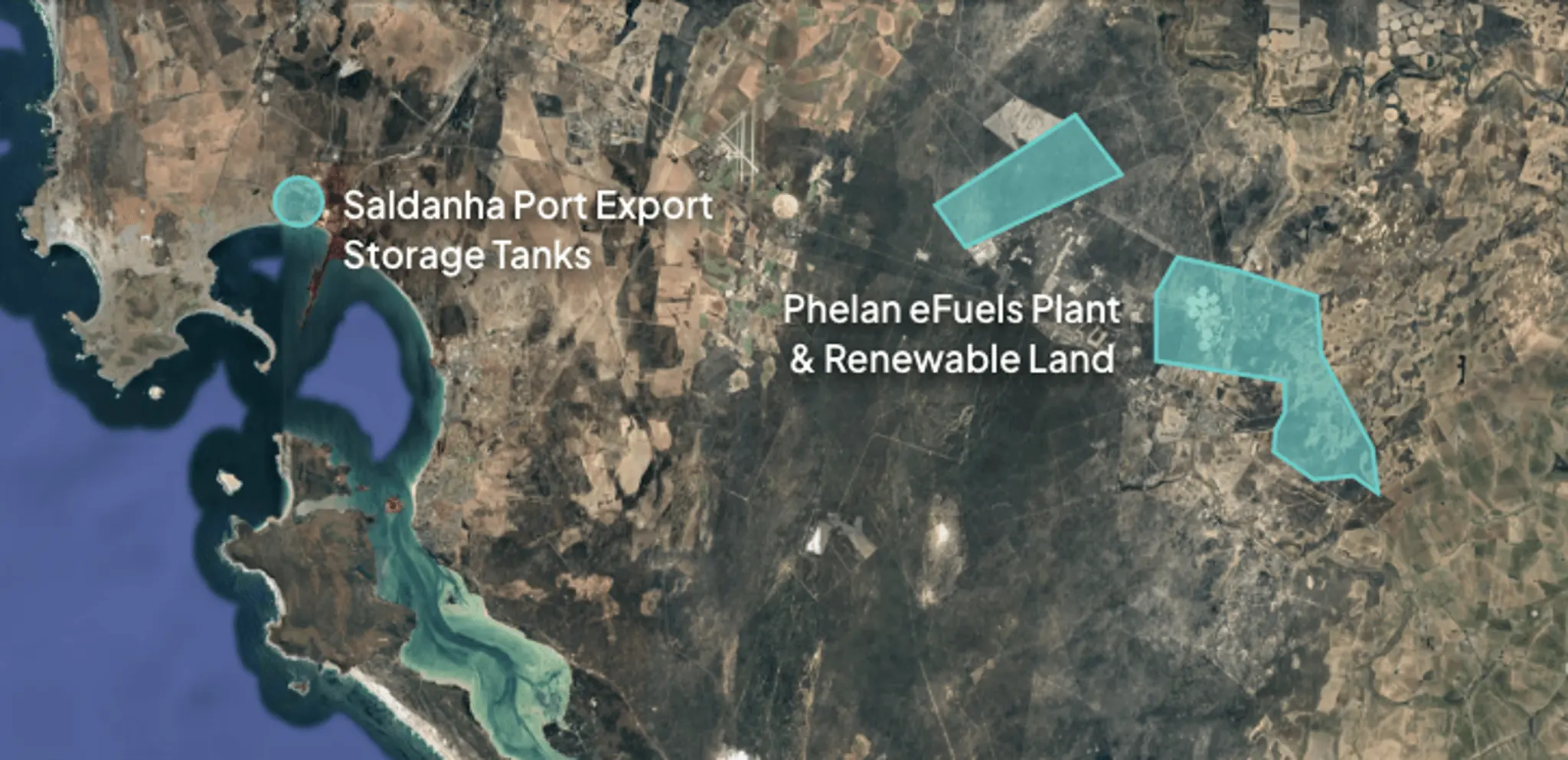
Why Saldanha Bay, South Africa?
Project Timeline
eSAF per annum
eSAF per annum
eSAF per annum
175 M Litres
eSAF per annum
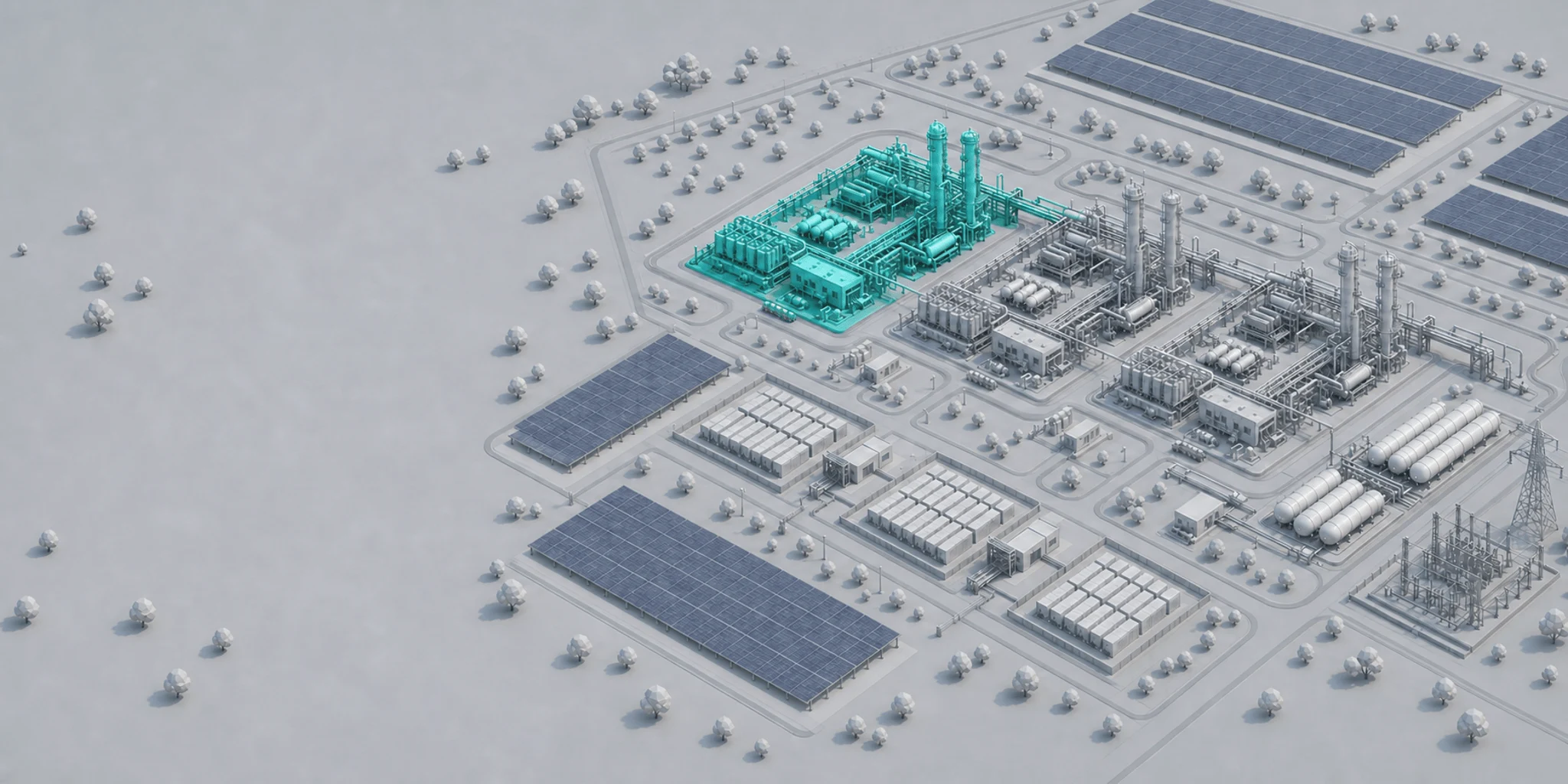
The Blueprint Goes Global
Tamil Nadu
India
- 140,000 tpa full capacity (expansion to 300,000 tpa)
- 5,000 ha renewables land 40 ha processing plant
- Direct pipeline to Bay of Bengal jetty
- $300/ton eSAF government grant approved
Ras Shukeir
Egypt
- 140,000 tpa full capacity (expansion to 300,000 tpa)
- 5,000 ha renewables land (PGH Solar & Wind Park)
- 30 ha processing plant
- 18km from Port of Ras Shukeir; floating jetty export
Building a Global eSAF Network